
SECURE ATTACHMENT EXPERT
Cultivate a life of DEEP CONNECTION, INNER PEACE, & AUTHENTIC BELONGING
Helping you heal at the root, regulate your body and cultivate secure attachment… so you feel safe, connected and free to live a life that actually lights you up.
usually $97... yours free!
THE SECURE ATTACHMENT CODE
STOP GUESSING. GET THE CODE
You’ve tried to heal the anxiety, the relationship patterns, and the burnout, but nothing seems to stick. That’s because true, lasting secure attachment requires a holistic approach that addresses the trauma stored in your Body, Mind, Lineage, and Energy.
In this free, on-demand masterclass, I reveal the Secure Attachment Code. The integrated four-pillar system that finally connects the dots and gives you a personalised map for your healing journey.
BREAK THE CYCLE OF SELF ABANDONMENT
Understand the root cause of your self-sabotage and learn how to integrate your wounded inner child and set clear energetic boundaries, creating the unshakeable inner security that allows you to connect authentically without losing yourself.
DISCOVER YOUR PERSONALISED PATHWAY
Stop wasting time on healing methods that don't match your core wound. Learn which of the four pillars you need to start with based on your specific attachment style (Anxious, Avoidant, or Disorganised) and why that starting point is most effective for you.
TIRED OF PUSH-PULL?
It's time to Cultivate True Connection
You're a compassionate, driven individual, yet your relationships often feel like a constant struggle. You've tried to "fix" things, to understand why you keep repeating the same patterns, but it feels like every emotional interaction takes ten times more energy than it should.
If you're someone who's been trying to "think your way" out of anxiety, "talk your way" through trauma, or "power through" chronic overwhelm (with more self-help books than hours in the day), I see you.
You're juggling personal growth, professional demands, relationship challenges, family dynamics, and somehow you still feel like you're behind. You might be constantly seeking reassurance, or perhaps you pull away when things get too close. You might feel like a sponge for other people's emotions, or struggle to set boundaries without guilt.
The answer does not lie in doing more. You can work smarter. It's about addressing the root causes of insecure attachment - not just the symptoms - so you can build lasting connection, inner peace, and authentic belonging.
MEET THE FOUNDER
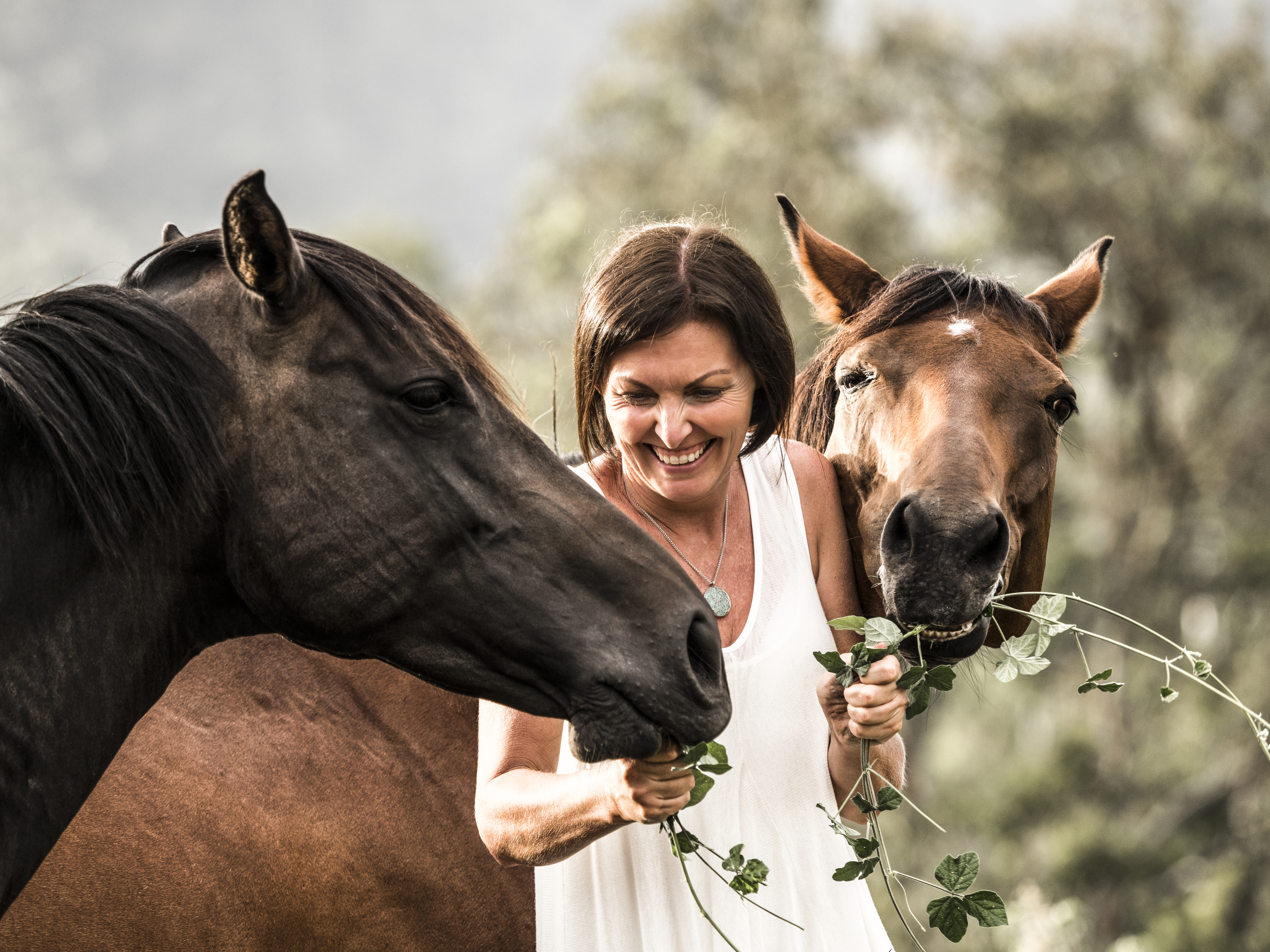
Hi I'm Tracy
Your Guide to Secure Attachment and Lasting Transformation.
You didn’t land here by accident. Perhaps you’ve been seeking deeper connection, true belonging, or a profound sense of safety within yourself and your relationships. I’m Tracy Malone, and I believe real, lasting change comes from healing at the root. My unique approach integrates trauma-informed practices with cutting-edge modalities to help you cultivate secure attachment in every area of your life - with yourself, your partner, children, family, friends, and even the world around you.
After healing my own complex trauma and helping countless individuals reclaim their lives, I’ve discovered that true transformation begins with understanding how your past shapes your present. It’s about working with your body, not against it, to create a foundation of inner safety that makes everything else possible.
INNER CHILD AND PARTS HEALING
Gently integrating wounded parts to build self-worth and inner security
FAMILY CONSTELLATIONS &ANCESTRAL HEALING
Releasing intergenerational burdens and hidden loyalties to create freedom in your lineage.
POLYVAGAL THEORY & NERVOUS SYSTEM REGULATION
Learning to regulate your nervous system, move from survival states to calm, and build a physiological foundation for safety.
ENERGETICS & BOUNDARY WORK
Strengthening your energetic field, clearing unhelpful energies, and establishing healthy boundaries for empowered relating.
THE FOUR PILLARS
Your Holistic Pathway to Secure Attachment
Secure attachment goes well beyond a concept you've heard about. It's a lived experience of safety, connection, and belonging. My work guides you through four interconnected pillars, each vital to healing trauma and fostering deep, authentic relationships.
1. INNER CHILD & PARTS HEALING
We gently explore and integrate the wounded or fragmented parts of yourself, particularly your inner child, that hold onto past pain and unmet needs. By providing these parts with the compassion and safety they lacked, you begin to heal core wounds, build self-worth, and foster a profound sense of inner security.
2. FAMILY CONSTELLATIONS & ANCESTRAL HEALING
Dive into the unseen dynamics of your family system to uncover and release ancestral burdens, unconscious loyalties, and intergenerational trauma. This powerful modality helps you untangle from inherited patterns, restoring the flow of love and life through your lineage and freeing you to create your own destiny.
3. POLYVAGAL THEORY & NERVOUS SYSTEM REGULATION
Learn the science of your nervous system and gain practical tools to move from states of chronic stress, overwhelm, or shutdown into calm, connection, and resilience. By building vagal tone and releasing stored trauma from the body, you create a physiological foundation for safety, emotional balance, and secure relating.
4. ENERGETICS & BOUNDARY WORK
Understand and strengthen your energetic field, clearing conscious energies and negative energetic formations (NEFs) that may be impacting your well-being. Develop robust energetic boundaries to protect your vital energy, prevent enmeshment, and maintain a clear sense of self within all your relationships.
your path to
SECURE ATTACHMENT
Ready to Cultivate Deeper Connection and Lasting Peace?
Whether you're just beginning your healing journey or ready to dive deeper, I offer multiple pathways to support your transformation.
ONLINE COURSES
Learn at your own pace with self-guided programs designed to integrate the four pillars of secure attachment.
SELF HEALER TRIBE
Join a safe, supportive community for ongoing guidance, shared experiences, and collective healing.
1:1 SESSIONS
Receive personalised, intensive support tailored to your unique needs for profound breakthroughs.
HEAR IT FROM SATISFIED CLIENTS
What Clients Are Saying About Their Journey
“
This was incredibly pivotal on my healing journey. Thank you so much for creating a safe place for me to feel comfortable and allow myself to get really honest, feel all the big emotions, visualise, and release that which no longer serves me.
— LEATTE, CALIFORNIA, USA
One of the most effective and lovely courses I’ve experienced. Full of good tools and questions for healing.
— ALISON, SAND SPRINGS, USA
I gained a new perspective on the weight of the trauma I experienced early in life. I highly recommend this course.
— MAUREEN, COLUMBUS, USA
stop guessing. get the code, free.
THE SECURE ATTACHMENT CODE
stay connected
always be
UPDATED
Be the first to receive offers.
Receive educational content.
Stay connected.
I help people remember their wholeness through trauma-informed, depth-guided healing that honours sovereignty, tenderness, and authenticity. My work restores the sacred threads between body, soul, and lineage - inviting safety, true belonging, and the ability to receive without self-abandonment. I walk beside those reclaiming their power, not to rescue, but to witness and support their return to truth.
I acknowledge the Gurumgul people, the First Nations custodians of the land on which I live and work. I honour their deep connection to this Country, which has held and sustained life for countless generations.
I recognise that the Gurumgul people never ceded their sovereignty, and that this land was taken from them. I acknowledge the truth of this history with respect, humility, and a commitment to remembrance.
Although the Gurumgul people, their language, stories, and traditions are no longer present in living memory, I recognise their enduring presence in the land itself. The rivers, soil, trees, and skies continue to carry the imprint of their care, wisdom, and belonging. I hear it in the birds and feel it in the earth beneath my feet and the wind as it blows.
I live on this land with respect and reverence. I honour its history, walk gently upon it, and remain committed to caring for Country in a spirit of gratitude, humility, and stewardship.


View our Privacy Policy and Terms and Conditions here. © 2026. All Rights Reserved.